Why flexibility, not volume, is becoming the real competitive advantage for automotive, motorcycle and bicycle parts manufacturers.
Why Vehicle Parts Manufacturing Is Becoming More Difficult in 2026
If you supply parts to the automotive, motorcycle, or bicycle industry, 2026 probably doesn't feel like a normal year. Several pressures are arriving at once.
Electric vehicle volumes keep climbing. Global EV sales grew around 20% in 2025 to exceed 20 million units, roughly a quarter of all new cars sold, and EV platforms now demand housings, brackets, and structural parts that simply didn't exist a decade ago. At the same time, lightweighting has moved from a "nice to have" to a hard engineering requirement, pushing more aluminum, thinner walls, and more complex geometries onto your shop floor.
Order patterns have also changed. Instead of long, predictable runs, many suppliers now face fluctuating demand, shorter product cycles, and customers who want smaller batches faster. Add persistent cost pressure and ongoing tariff uncertainty, and the result is an environment where flexibility matters as much as raw output.
The point isn't that machining itself has changed. It's that the parts and the orders have changed faster than many shops' processes have. That gap is where the real difficulty lives.
The Buyer's Real Pain Point: Multi-Sided Parts Take Too Long to Set Up
Walk the floor of almost any vehicle-parts supplier and you'll find the same bottleneck: complex geometry.
Automotive, motorcycle, and bicycle components are rarely simple flat plates. They have multiple faces that need machining, angled holes, curved surfaces, deep cavities, and features that approach the part from several different directions. A single housing might need tapping on three sides and a drilled bore at an odd angle.
On a traditional 3-axis machine, the tool can only reach the part from a limited number of directions. So each new face usually means a new setup: stop, unclamp, re-fixture, re-zero, and start again. Every setup adds time, ties up an operator, and demands another dedicated fixture.
Worse, every re-clamp is a fresh chance to introduce positioning error. For precision vehicle parts, that error isn't a minor annoyance. It turns directly into scrap, rework, and missed tolerances. The hidden cost of multi-sided parts isn't the cutting; it's everything that happens between the cuts.
How 5-Axis Tapping Centers Reduce Setup Time
This is exactly where a 5-axis tapping center changes the math.
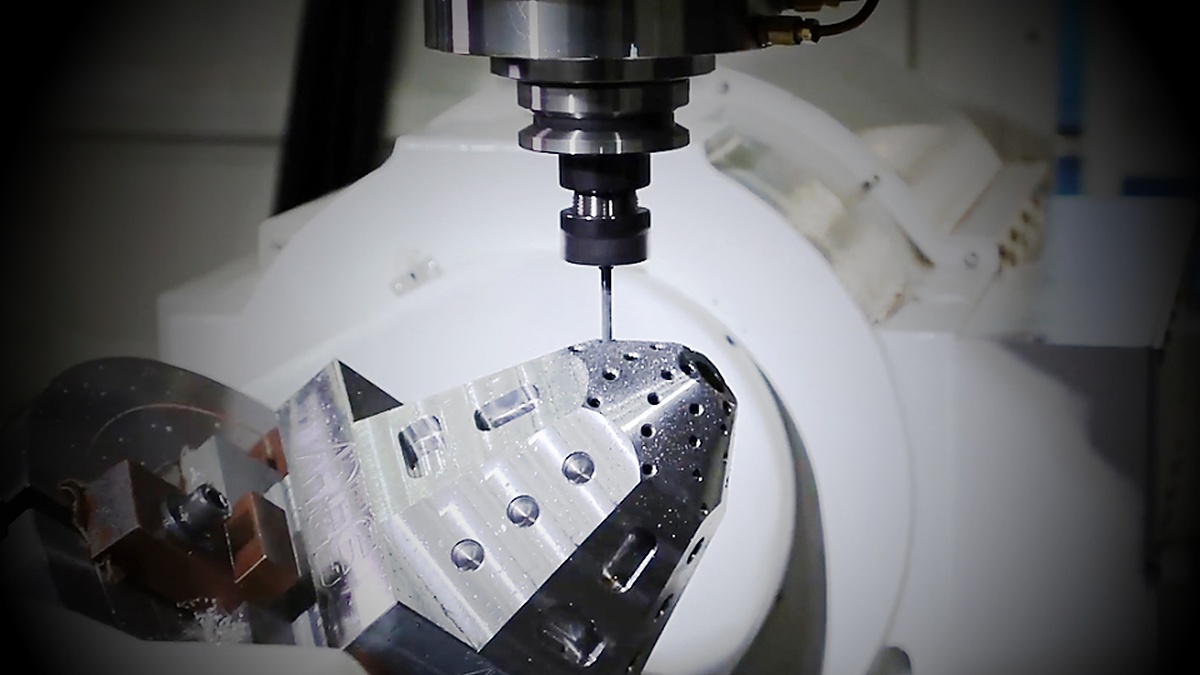
A 5-axis machine adds two rotary axes on top of the standard three linear axes. In practical terms, the part (or the tool) can be tilted and rotated so the cutting tool reaches the workpiece from far more directions, all without an operator manually flipping and re-clamping it.
That means milling, drilling, and tapping can happen across multiple faces in a single, continuous process. A part that once needed three or four separate setups can often be completed in one. Industry estimates put this in perspective: complex parts frequently require five to ten separate setups on conventional machines, and 5-axis machining can cut setup requirements by roughly 60% to 80% for complicated geometries. The machine handles the repositioning that a human used to do by hand, which collapses the dead time between operations and removes most of the fixtures you'd otherwise need.
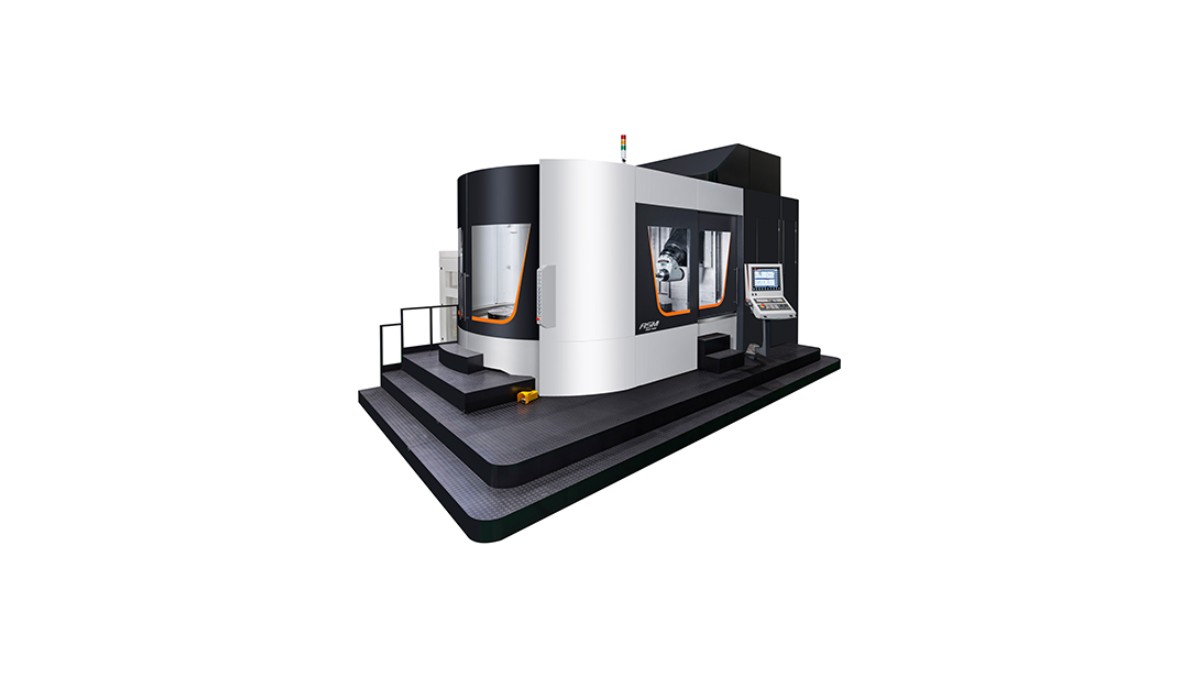
On the ARES A5X series, for example, the rotary axes let cutting tools not only approach the workpiece more closely but also sit at a 90° angle to the surface, keeping cutting conditions optimal throughout the job. The result is fewer setups, fewer fixtures, and less idle spindle time, with an operator who can tend the machine instead of babysitting every flip.
How 5-Axis Machining Improves Accuracy for Vehicle Components
Reducing setups doesn't just save time. It directly improves accuracy.
The logic is simple. Every time you unclamp and re-fixture a part, you reintroduce positioning error. Fewer setups means fewer chances for that error to creep in. When milling, drilling, and tapping all happen in one continuous reference frame, the relationships between features stay tightly controlled.
For high-precision vehicle parts, that consistency is everything. Engine parts, transmission components, brake components, and frame-related structural parts all live or die on tolerance. A bore that's a fraction off, or a tapped hole at a slightly wrong angle, can compromise the whole assembly.
There's a secondary benefit too. Because the tool can be positioned optimally against the surface, you can often use shorter cutting tools. Shorter tools mean less vibration and a better surface finish, which is another quiet contributor to accuracy. For the automotive and bicycle sectors, where durability, lightweight design, and precision are the core requirements, this combination is hard to beat.
Why 5-Axis Tapping Centers Fit High-Mix, Low-Volume Production
Here's a shift worth naming clearly. In 2026, the question buyers ask is rarely "can this machine produce in huge volume?" More often it's "how fast can I switch between different parts?"
That's the high-mix, low-volume reality, and it's exactly where 5-axis CNC machines shine. When most of your changeover effort lives in setups and fixtures, anything that reduces setups reduces the cost of switching jobs. A shop running twenty different part numbers in small batches benefits far more from quick, accurate changeovers than from a machine optimized purely for throughput.
Lower fixture investment compounds the advantage. Instead of building and storing a dedicated jig for every part and every face, you lean on the machine's rotary capability. That frees up floor space, cash, and engineering time, which are exactly the resources high-mix shops are usually short on.
What Types of Vehicle Parts Benefit Most?
Not every part needs five axes, but a clear set of components benefit strongly. These tend to be parts with multiple machined faces, complex internal features, or tight precision demands:
- Gearbox housings: multiple faces, bores, and tapped holes
- Water pump housings: curved surfaces and internal cavities
- Hydraulic system components: precise bores and cross-drilled passages
- Gear wheels: accuracy-critical features
- Engine-related parts: tight tolerances across several faces
- Transmission components: complex geometry and exact alignment
- Motorcycle aluminum parts: lightweight structures with multi-side machining
- Bicycle frame or precision structural components: angled, durable, weight-sensitive features
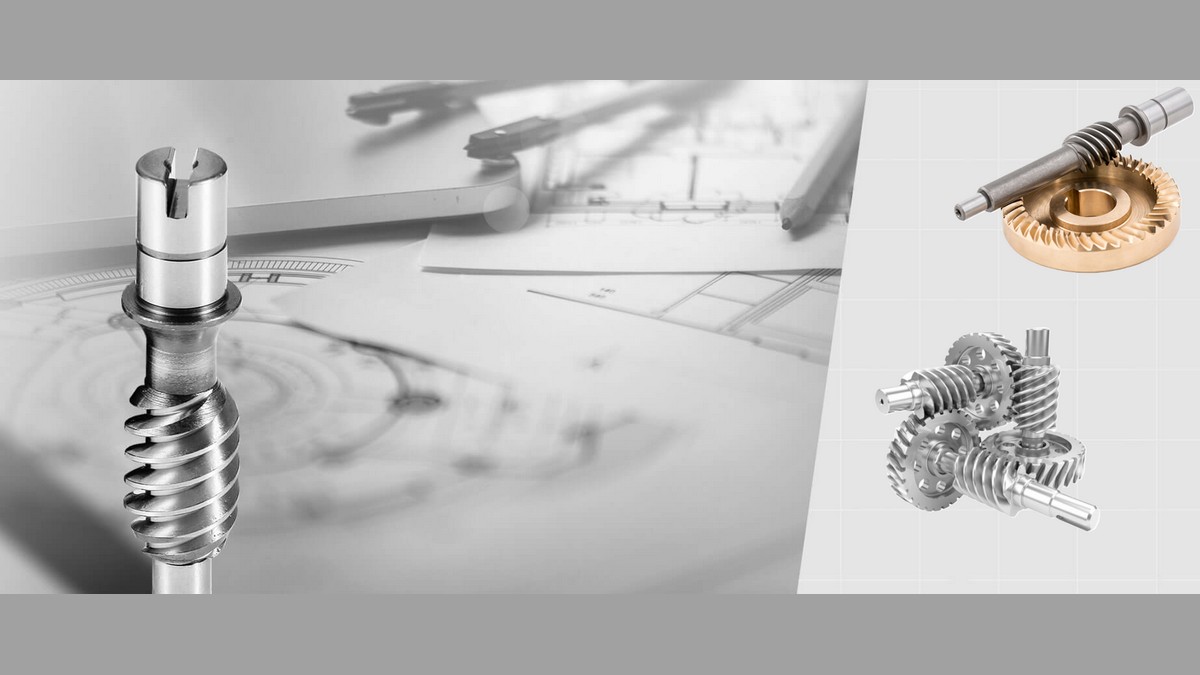
These are precisely the kinds of intricate parts, such as hydraulic systems, water pump housings, gearbox housings, and gear wheels, that 5-axis tapping centers are built to handle in fewer operations.
Conclusion: In 2026, Flexibility Is Becoming a Machining Advantage
The takeaway isn't simply "buy a 5-axis machine." It's that the pressures defining 2026, including EV growth, lightweighting, volatile orders, cost discipline, and tariff uncertainty, all reward flexibility.
For vehicle-parts manufacturers, a 5-axis tapping center turns the things buyers actually worry about, such as setup time, fixture cost, accuracy risk, and small-batch flexibility, into process metrics you can measurably improve. It reframes complex, multi-sided parts from a problem into something your shop handles routinely.
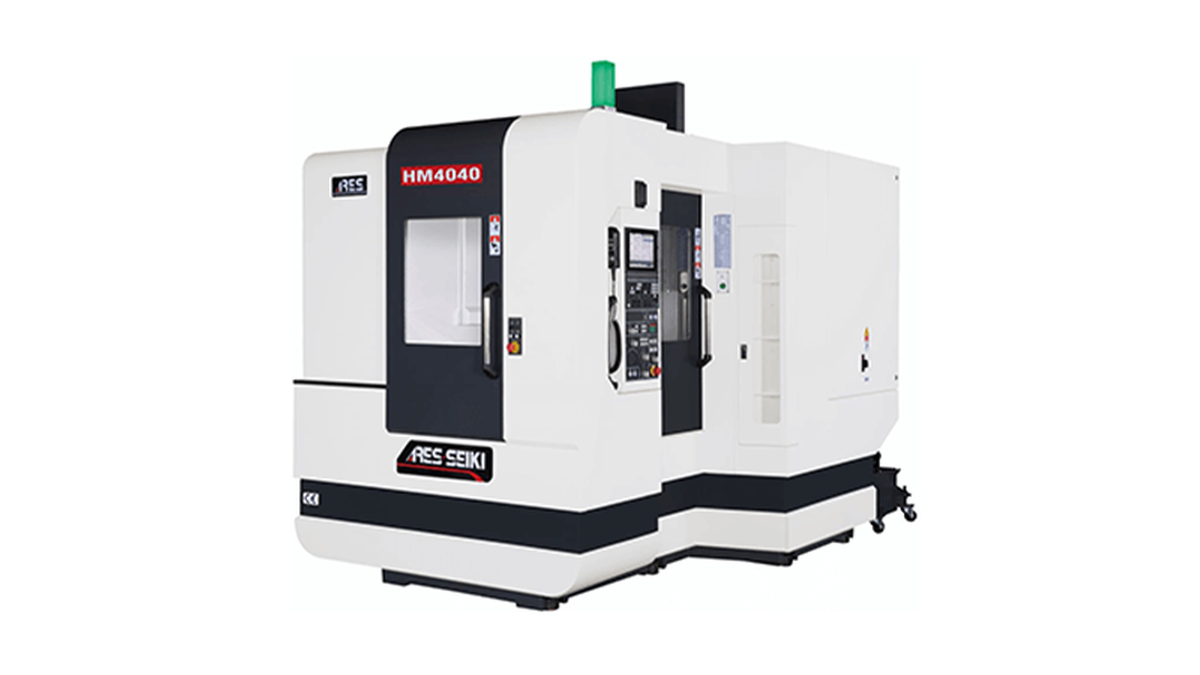
If you'd like to see how this works on real hardware, the ARES A5X404 5-Axis Tapping Center is one example of a machine designed around exactly these multi-face, precision vehicle-part jobs.
Frequently Asked Questions
What's the real difference between a 3-axis and a 5-axis tapping center? A 3-axis machine moves a tool along three linear directions, so it reaches a part from limited angles. A 5-axis machine adds two rotary axes, letting the tool approach the workpiece from many directions. The practical result is that multi-sided parts can be milled, drilled, and tapped in one setup instead of several.
Does fewer setups really improve accuracy that much? Yes. Each re-clamp reintroduces positioning error. By completing more features within a single setup and reference frame, a 5-axis machine keeps feature-to-feature relationships tighter, which matters enormously for engine, transmission, and brake parts.
Is a 5-axis tapping center only worth it for high-volume production? Often it's the opposite. Its biggest advantage shows up in high-mix, low-volume work, where fast, accurate changeovers between different parts matter more than raw throughput.
Will it reduce my fixture and tooling costs? Generally yes. Because the machine repositions the part instead of relying on dedicated jigs, you typically need fewer fixtures. Optimal tool positioning also allows shorter tools, which can extend tool life and improve surface finish.
Which vehicle parts are the best fit? Parts with multiple machined faces or complex internal geometry. Good examples include gearbox and water pump housings, hydraulic components, gear wheels, engine and transmission parts, and lightweight motorcycle or bicycle structural components.

.jpg)
.jpg)